
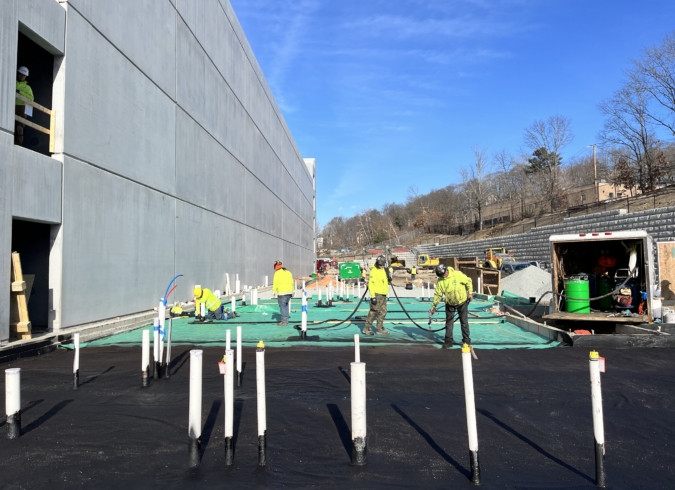
During the February 2026 Bureau of Waste Site Cleanup (BWSC) Advisory Committee Meeting and the subsequent March BWSC Office Hours, the Massachusetts Department of Environmental Protection (MassDEP) provided an update on their on-going active sub-slab depressurization system (SSDS)/Active Exposure Pathway Mitigation Measure (AEPMM) inspection efforts in their Northeast Region. The results of their inspections were surprising according to MassDEP.
Permanent site closure under the Massachusetts Contingency Plan (MCP) was not possible with on-going active mitigation before the 2014 MCP changes. Prior to that time, passive sub-slab venting systems, which may not have been as effective for year-round vapor mitigation, were often given preference over active systems because they allowed for Permanent Solutions. The 2014 AEPMM addition allowed for active vapor intrusion (VI) mitigation in support of permanent and temporary site closures. This regulatory change represented a significant step forward for addressing certain legacy sites with persistent direct exposure potential while also meeting the greater Massachusetts regulated community’s need for certainty in closure.
Although the AEPMM addition was generally well received by the regulated community, it came with some new requirements for maintaining site compliance in perpetuity. Specifically, AEPMMs require the installation and operation of remote telemetry, the establishment of an operation and maintenance (O&M) program including record keeping detailed in a written “Operating Regime”, and submittal of annual certifications to acknowledge the on-going responsibility for the AEPMM and the financial means to do so by the responsible party.
The Inspection Program
To get a better sense for how well we’re doing after a decade under the new rules, MassDEP initiated a detailed VI AEPMM inspection program in 2025. As of February 2026, MassDEP had completed 16 detailed inspections. Of the 15 sites with filings after the 2014 regulation change:
- 40% (6/15) were missing the required Operating Regime or O&M requirements
- Of the remaining 60% (9/15):
- 3 were considered “adequate to very good”
- 6 were considered “deficient”
- MassDEP required follow-up actions at 81% (13/16) of the sites.
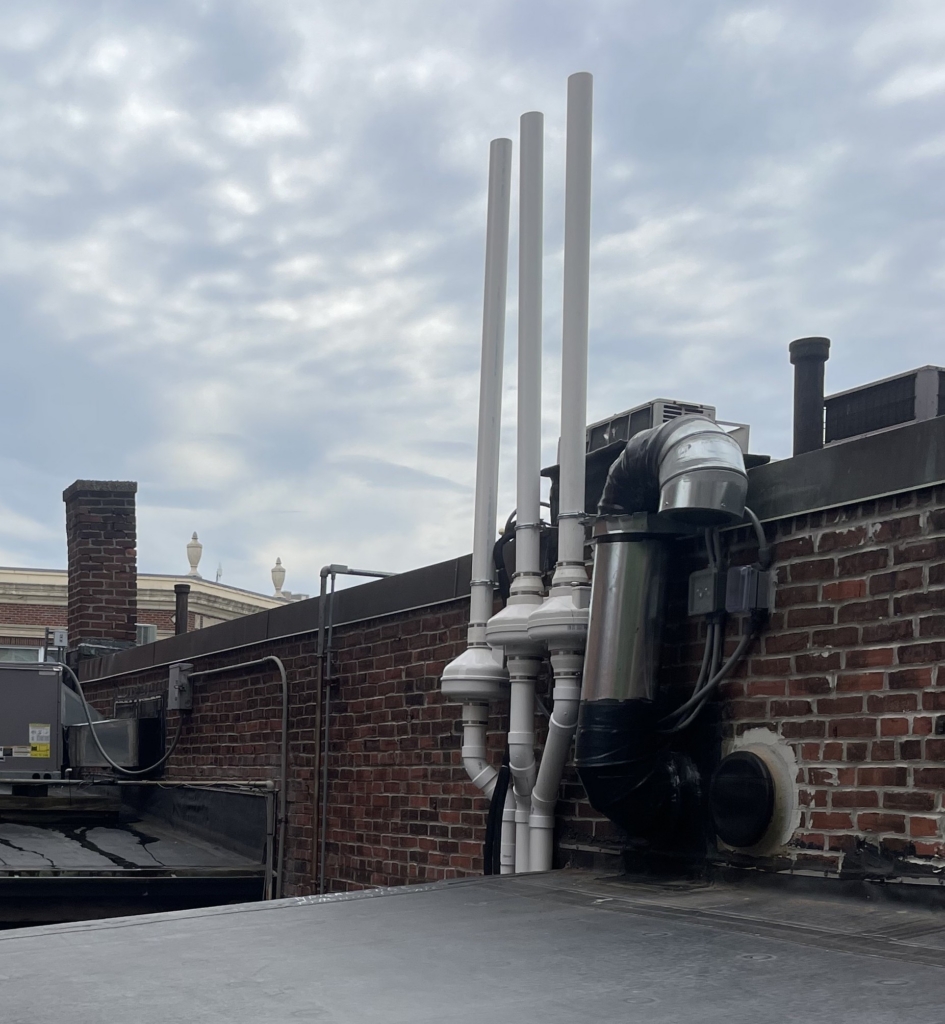
Common problems identified included missing or limited correlation data between system operational data and adequate sub-slab vacuums, as-built conditions not matching design documents, and lack of required on-going record keeping. The lack of sub-slab vapor monitoring points to confirm the sub-slab vacuum area of influence and lack of visual manometers on the extraction pipes were also often cited. To the surprise of some, sites that only specified minimum vacuums were found insufficient – MassDEP expects an allowable safe vacuum range(s) to be established and maintained with each AEPMM system.
What’s Next?
While the current sample size is still limited, 80% of the sites reviewed have been found to be deficient. Understanding what is next requires no reading between the lines. Property owners and their LSPs should expect continued, if not increased, focused inspections by MassDEP at sites with active venting systems.
We should expect MassDEP to expand post-closure maintenance obligations in light of these findings. This may include more direct LSP involvement post-closure, perhaps even the expectation of periodic LSP system reviews and submittals. Though we’re not aware of MCP regulation changes in the works to address these concerns yet, MassDEP has indicated that they anticipate issuing their draft AEPMM Operation Regime policy soon whereby the required Operating Regime components will be made clear. MassDEP has indicated that these will include:
- An as-built system plan
- Data to demonstrate AEPMM effectiveness (correlations between both system vacuum and sub-slab vacuum fields and indoor air quality)
- Key system details including:
- Required maintenance and expected equipment replacement schedules
- Acceptable vacuum ranges
- Site-specific monitoring methods to ensure No Significant Risk
- Frequency of required on-site monitoring and inspections, in addition to the on-going telemetry monitoring
What Can I Do Now?
Consider checking your system’s operation and records before MassDEP does – owners who are found out of compliance should expect to receive Notices of Non-Compliance (NONs) with Interim Deadlines to fix these deficiencies or re-enter the MCP system. More egregious compliance issues may result in even more substantial actions.
If your Operating Regime does not address these technical expectations, consider updating and revising your Operating Regime now. MassDEP is likely to appreciate those responsible parties who take ownership and can demonstrate a pro-active response to these evolving expectations.
Posted In: Articles
Tagged In: MCP, Vapor Intrusion